
Exploring the mind How psychology influences gambling behavior
The Psychological Mechanisms Behind Gambling
Understanding the psychological mechanisms that underpin gambling behavior is crucial for recognizing why individuals engage in such activities. Cognitive biases, such as the illusion of control, lead gamblers to believe they can influence outcomes in games of chance. This belief can spur repeated gambling, as players often attribute wins to their skills rather than random chance. Additionally, the concept of reinforcement plays a significant role; the intermittent rewards received in gambling can create a compelling feedback loop, increasing the desire to play again. As a leading platform, Kwiff Casino provides resources to enhance player awareness, encouraging responsible gambling tips like managing time and budget: https://kwiffcasinos.com.

The role of risk-taking and sensation-seeking traits is also prominent in gambling psychology. Individuals who score high on sensation-seeking measures are more likely to gamble, drawn to the excitement and adrenaline that gambling provides. This behavioral inclination ties into broader psychological frameworks, such as the Theory of Planned Behavior, which posits that attitudes, subjective norms, and perceived behavioral control shape individual decision-making processes. Thus, understanding these psychological elements can aid in addressing gambling behaviors effectively.
Moreover, emotional factors, such as escapism and stress relief, significantly impact gambling behavior. Many individuals turn to gambling as a way to cope with negative emotions or stress, seeking refuge in the thrill of potential wins. This form of escapism can lead to problematic gambling behaviors, as individuals may prioritize gambling over more constructive coping mechanisms. Addressing these emotional drivers is essential for promoting healthier gambling habits and ensuring a balanced approach to gaming.
The Role of Cognitive Dissonance in Gambling
Cognitive dissonance, a psychological phenomenon where individuals experience discomfort from holding conflicting beliefs or behaviors, is prevalent in gambling contexts. For instance, a gambler may believe they should quit while ahead but continue playing due to the thrill and the desire to recover losses. This internal conflict can lead to justifications for continued gambling, such as “I’ll win it back” or “I’m due for a win.” Such rationalizations can perpetuate unhealthy gambling patterns and hinder individuals from recognizing the need for change.
The impact of cognitive dissonance extends to the way gamblers perceive their chances of winning. Gamblers often focus on their wins while downplaying their losses, creating a skewed perception of their overall success. This selective memory further fuels continued gambling, as they may ignore the negative consequences. Understanding this cognitive bias can aid in developing effective interventions aimed at promoting responsible gambling behaviors by encouraging awareness and acceptance of reality in one’s gambling practices.
Effective strategies for addressing cognitive dissonance in gambling include cognitive-behavioral techniques that challenge irrational beliefs and promote healthier thought patterns. By addressing these cognitive distortions, individuals can start to align their behaviors with their true intentions and values, leading to more responsible gambling habits. Encouraging self-reflection and self-awareness can help gamblers recognize when they are engaging in dissonant behaviors, prompting them to make more informed decisions.
The Influence of Social Environment on Gambling Behavior
The social environment plays a crucial role in shaping gambling behaviors. Peer influence can significantly impact an individual’s decision to gamble, especially among younger demographics. Friends or family members who gamble can normalize the behavior, leading individuals to engage in gambling as a social activity rather than a solitary pursuit. The need for social acceptance can drive individuals to gamble, often overshadowing the potential risks involved.
Moreover, social norms and cultural attitudes towards gambling also influence individual behavior. In cultures where gambling is widely accepted or promoted, individuals may feel less inclined to view it as risky or problematic. This acceptance can lead to increased participation rates and, subsequently, higher instances of gambling-related issues. Understanding these societal factors is essential for developing targeted interventions that can effectively address gambling problems within specific communities.
Additionally, social media and online platforms have transformed the landscape of gambling, creating new avenues for engagement. The rise of online casinos and betting platforms has made gambling more accessible than ever, allowing individuals to participate in gambling activities from the comfort of their homes. This accessibility can sometimes blur the lines between casual play and problematic behavior, emphasizing the need for responsible gambling practices that consider the influence of the broader social environment.
Emotional and Behavioral Triggers in Gambling
Emotional triggers often serve as significant catalysts for gambling behavior. Stress, anxiety, and depression can push individuals toward gambling as a means of escaping their emotional turmoil. The temporary high associated with gambling can provide a short-lived relief from negative feelings, reinforcing the behavior and making it harder to break free from the cycle. Understanding these emotional triggers can aid in the development of tailored strategies for those struggling with gambling addiction.
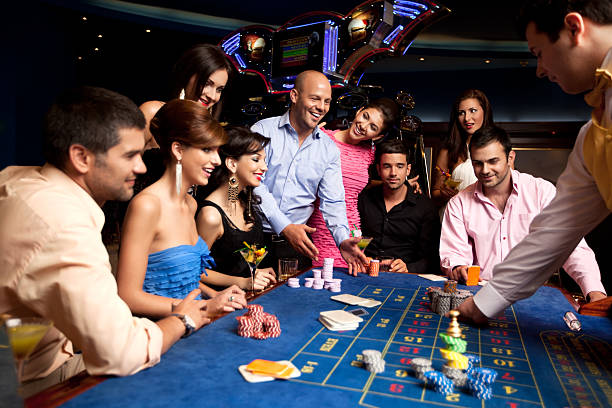
Behavioral triggers, such as the environment in which gambling occurs, can also influence gambling habits. For example, brightly colored lights and sounds in casinos create a stimulating environment that enhances the gambling experience, often leading to increased time spent gambling. Recognizing these environmental factors allows individuals and professionals to devise strategies to mitigate their impact, promoting a more responsible approach to gambling.
Developing emotional intelligence and coping strategies can play a vital role in managing these triggers. Individuals who can identify their emotional and behavioral triggers can work toward healthier alternatives when they feel compelled to gamble. Implementing mindfulness techniques and engaging in physical activities are examples of constructive coping strategies that can reduce reliance on gambling as an emotional outlet.
Responsible Gambling and the Kwiff Casino Approach
Kwiff Casino stands out in the gambling industry with its commitment to promoting responsible gambling practices. Understanding the psychological aspects of gambling behavior, Kwiff offers resources and support to help players engage in safe gaming. The platform emphasizes the importance of self-awareness and provides tools for setting limits, encouraging players to maintain control over their gambling experiences.
By utilizing features such as responsible gambling settings, players can set deposit limits, time limits, and loss limits, ensuring they engage in gambling responsibly. Kwiff also promotes educational initiatives that inform players about the psychological risks associated with gambling, helping them recognize signs of problematic behavior. This proactive approach contributes to a healthier gambling environment, benefiting both the casino and its users.
In conclusion, the integration of psychological insights into the gambling experience not only enhances player engagement but also fosters a culture of responsibility. Kwiff Casino’s dedication to understanding the psychological factors influencing gambling behavior allows it to create a safe and enjoyable environment for all players. This focus on responsible gaming is essential in ensuring that gambling remains a fun and controlled activity, promoting a balanced approach to entertainment in today’s digital age.